
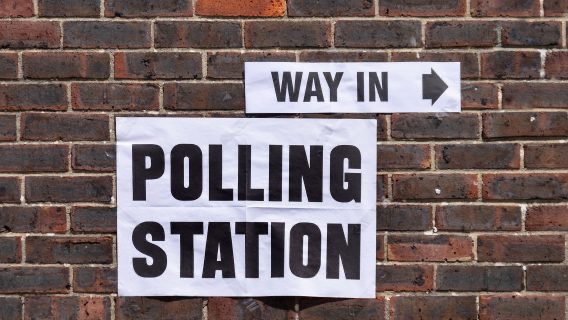
As we are all aware, people in the UK will be heading to the polls on July 4 and amid all the political goings on, an area which is likely to be at the forefront of people’s minds on polling day is the impact the election will have on their personal finances.
There has been and will be much talk from all parties about what benefits they bring to your pocket but what will be the key personal finance battlegrounds in this election and what are the major players (Conservatives, Labour, Liberal Democrats and Reform UK for the purposes of this article) going to do about it?
1. Tax
One area of personal finance in which the government has complete control is the level of taxation which has massive implications on your pocket and the economy as a whole (something Liz Truss knows all too well). The two taxes which have the biggest impact on your money are Income Tax and National Insurance (NI) but some parties have plans for the other taxes which affect individuals.
In recent times, the Conservatives have cut the rate of NI for employees from 12% to 10% in the Autumn Statement and then from 10% to 8% in the Budget earlier this year and in their manifesto they said they would continue cutting NI until 2027 possibly because Rishi wants to present himself as a good custodian of people’s finances. NI will also be completely abolished for the self-employed.
Labour have ‘delivering economic stability’ as the first of their ‘steps for change’ and as part of that are aiming to keep taxes “as low as possible” however both of the main parties have announced that they will be freezing the income tax thresholds (with the Liberal Democrats saying they would raise thresholds) meaning that more people will be brought into paying tax due to a phenomenon known as fiscal drag.
Reform UK have some of the bolder ideas on tax policy as they plan to raise the income tax personal allowance (the amount of income which you do not pay tax on) from the current £12,570 to £20,000 which is a change many people have called for. They are also proposing to cut stamp duty (a tax paid on property sales) and make estates smaller than £2 million exempt from Inheritance Tax.
2. Cost of Living
In the past three years, the cost of living crisis has ravaged the personal finances of the nation with soaring bills and rates of inflation not seen for 40 years and the major parties have come up with various ideas for how to deal with the aftermath and prevent such pressures from returning.
There has been a lot of talk about inflation as on the day the election was called it was announced that inflation had fallen to 2% – within the regions of the Bank of England’s target. As such, the Conservatives have claimed this as their success and have said they are committed to keeping inflation low, something Labour are also promising to do.
A massive part of the financial pressure people faced came from startlingly high energy bills due to global supply issues as a result of Russia’s conflict with Ukraine. Labour’s solution to this is to found ‘Great British Energy’ which will be a “publicly-owned clean power company, to cut bills for good and boost energy security”.
Labour have also announced that they will remove the age bounds on the national minimum wage so that everyone is paid the same and they will also aim to tackle the soaring cost of car insurance.
The Liberal Democrats have said they will introduce a social tariff for the more vulnerable members of society to reduce their bills and will also insulate properties to make them more energy efficient.
Reform UK have said they will scrap VAT on energy bills which they say will save households £500 per year on their energy bills.
It can be said that the mini-budget of 2022 had an impact on the Bank of England base rate and as such the interest rates we see on savings and mortgages. To prevent such economic turmoil happening again, Labour are pledging a ‘fiscal lock’ which would ensure that strict fiscal rules around government spending are followed and prevent a similar scenario to what happened two years ago.
3. Pensions
Pensions will be a key battleground in this election as all the parties will be vying for the votes of the UK’s 12.6 million pensioners with the main political weapon being the state pension – the payment of £221.20 that those over state pension age and who have paid 35 years of NI contributions receive.
A lot of the talk around state pensions refers to the ‘triple lock’ which ensures that the state pension rises each year by the higher of inflation, the average rise in wages or 2.5% – something the Liberal Democrats and Labour have committed to continuing with Labour also aiming to reform the current system of workplace pensions.
The Conservatives have gone one step further proposing a so-called ‘triple-lock plus’ whereby not only would the state pension rise but the tax-free personal allowance for pensioners would also rise to ensure that income tax is never paid on the state pension.
Reform UK have said that they will review the current pension provision but with little details of what that entails.
Although personal finance probably isn’t the most fascinating topic being discussed during the election, it is arguably the one which has the greatest impact on everyone, every day so it will be fascinating to see which party prevails and what changes and polices they implement.

 Money and More
Leave a reply to hadsperry Cancel reply