

Formula 1 is addicted to cigarettes. Since 1967, tobacco companies have spent £4.5 billion on F1 sponsorship as the glamour, class and worldwide appeal of the pinnacle of motorsport makes it an ideal opportunity for purveyors of highly addictive substances.
Some of the most important moments in F1 history have been associated with tobacco companies and associated liveries: the iconic McLaren Marlboro livery, Williams with Camel, Marlboro with Ferrari during Schumacher’s dominance.
However, in 2006, an EU directive banned cigarette advertising in sports leading these companies to leave F1, right? It seems not.
With the costs of running a Formula One team mounting (even under the cost cap era) the lucrative sponsorship from tobacco brands is too much for some teams to turn down, they just have to get creative with how they do it.
Alternative Products
One simple way of cigarette brands to get around the rules is to promote their alternative tobacco products.
British American Tobacco heavily promote their market leading Vuse brand on the side of the McLaren – even having a special livery in recent times. However, many incorrectly assumed Vuse was another obscure business technology company (see Cognizant, Oracle and Workday) until this disclaimer appeared in America.
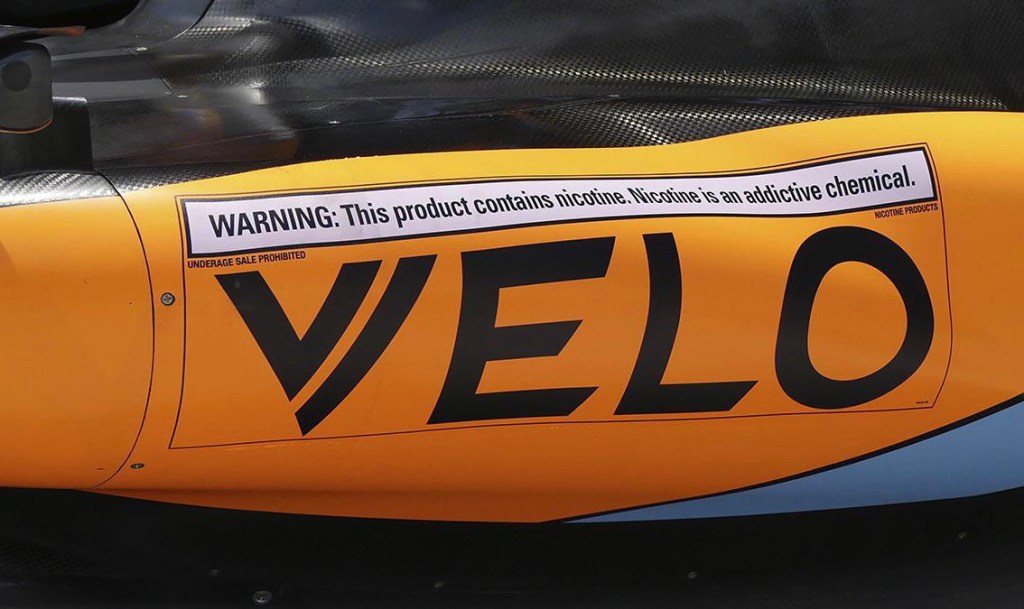
Remarkably, despite being an E-cigarette and touting its addictive nature on the side of the car in front of millions of impressionable young fans, this is completely allowed, unlike some of the underhand tactics used by BAT’s rivals.
Barcodes and Winnows
Philip Morris International have spent around £2.5 billion in F1, including $75 million dollars in 2021…15 years after tobacco sponsorship was banned.
But how have they got around this seemingly strict rule? Firstly, PMI slapped a ‘barcode’ on the Ferrari car which, at speed, heavily resembled the Marlboro logo with this subsequently being banned by the FIA.
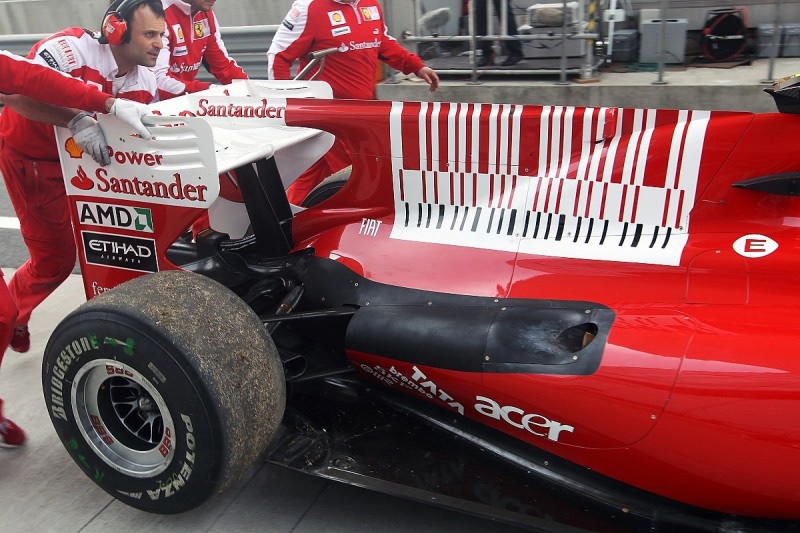
After another logo idea (which was also banned), PMI had another genius idea in the promotion of Mission Winnow.
Mission Winnow describes themselves as “a content lab focused on stories and content which ask difficult questions and contribute to the important conversations of our time.” – whatever that is supposed to mean.
Their website states “Mission Winnow was created in 2018 by Philip Morris International to reflect the radical shift in its business”, whether that shift in the business is its inability to sponsor sports as easily as possible is open to interpretation.
Despite the restrictions placed on the promotion of cigarettes, the companies have found ways to retain a presence in motorsport which means they are likely to stick around for a while – do you think F1 has a cigarette problem?
Do comment your thoughts below.


 Money and More
Leave a reply to Gabriella B Cancel reply