
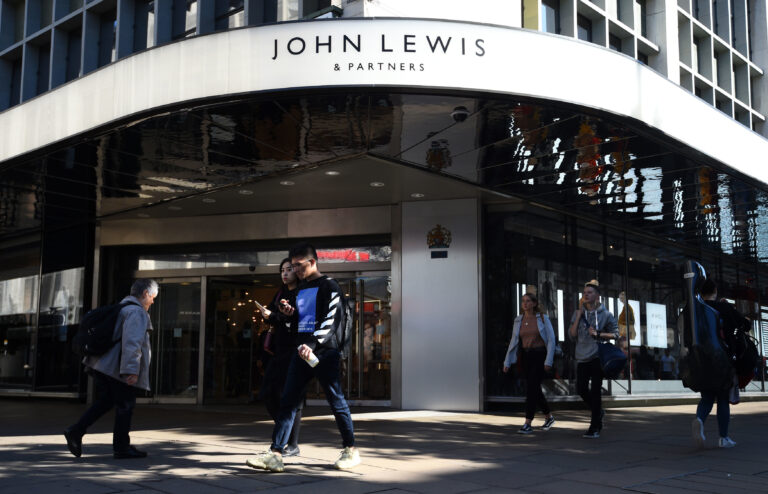
John Lewis is enduring a tumultuous period in which they are ditching the hallmarks of their 94 year history in an attempt to be relevant, cut costs and quite simply stay afloat.
In recent months, John Lewis have made some almost questionable decisions in an attempt to manage the spiralling costs they are incurring as a result of an unprecedented economic climate and high levels of inflation.
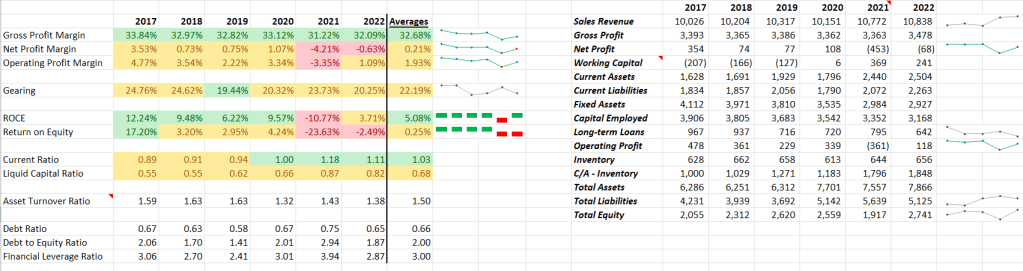
Firstly they replaced their nostalgic and somewhat overbearing slogan ‘Never Knowingly Undersold’ with the more sentimental ‘For All Life’s Moments’. In an era defined by the ‘race to the bottom’ with online retailers constantly undercutting each other it was unsustainable for John Lewis to match everyone else’s prices for fear of reducing their reasonably healthy gross profit margin (average of 32.68% over the last five years).
Another key feature of John Lewis’ offering was their impressive flagship stores taking up prime retail space in most large UK towns. Since 2021, they have closed 16 of their 42 stores in order to try and mitigate the effects of spiralling overheads.
However, the rising variable costs of operations have lead to John Lewis losing a serious amount of money they have invested into their retail outlets most notably with the Peterborough store which underwent a £21 million refurbishment only to be closed just over a year later almost ruining the Queensgate shopping centre in the city.
Arguably the most important USP of John Lewis that has fallen by the wayside was its unique partnership model (which paid its employees who own the business a bonus annually) that once influenced a government study on how to reinvigorate retail.
After a string of years with no bonus payment, John Lewis has decided to scrap the model altogether in favour of a more traditional board of shareholders and investors although the extent of this decision’s impact on the business is not known as it is such a stark change in culture.
In 2011, it was said that “Cutting costs and cutting staff is alien to the John Lewis culture” yet in the current economic climate they are measured the business has been forced to take in the face of mounting net losses in the past two years.
However, despite the apparent problems at John Lewis, there are some aspects of the business that are favourable beyond its near 100-year heritage. The business is not seriously in debt with an average gearing ratio of 22.19% over the last two years and is not facing too severe liquidity struggles like some of its competitors.
Although there is clearly uncertainty and trouble beleaguering the brand, John Lewis has survived wars and economic crisis aplenty which may suggest that the company will have a somewhat prosperous future to come.
Do comment your thoughts below.


Leave a Reply