
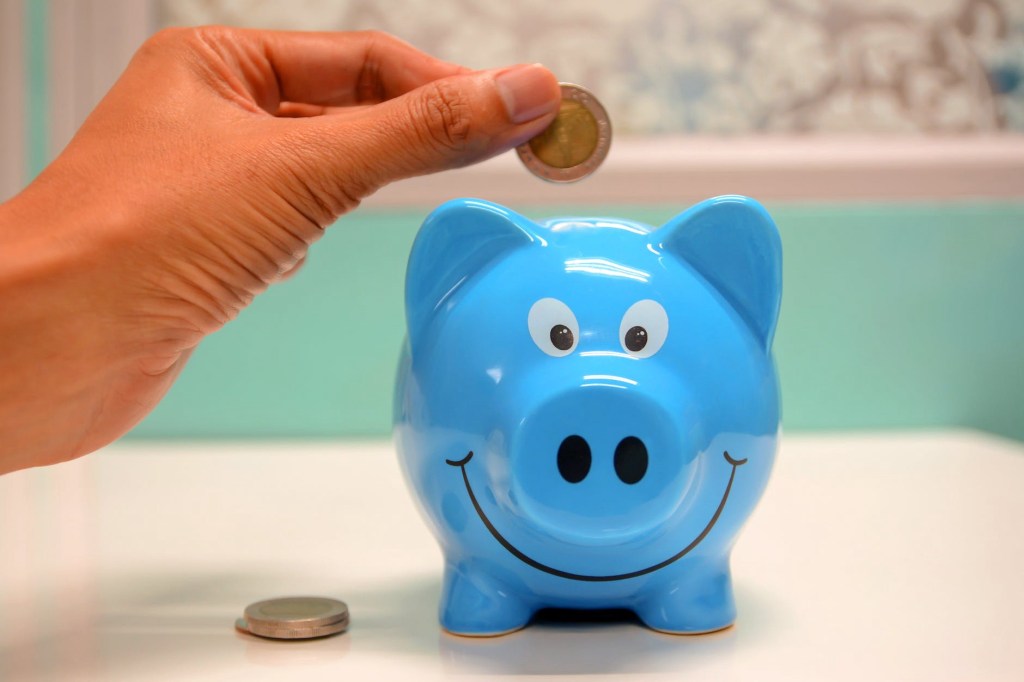
A key part of financial management is to keep regular savings either for a rainy day, to save up for something important or just to set some money aside for you to enjoy yourself.
Although savings is always a good thing, there are different ways to save that can bring more benefits to your personal finances either through tax relief or actual free money (yes, really).
When you put your money into savings accounts the key thing to look at is the interest rate, this is how much the bank pays you for looking after your money so they can lend to other borrowers.
With the current economic situation and the Bank of England’s high base rate, interest rates are particularly high at the moment meaning that savers are getting a better deal with the top interest rates available to young savers around 5% – a figure unheard-of a few years ago.
However, there are more options available to savers as there are a few schemes out there to incentivise savings including various ISAs and lottery-like product which is premium bonds.
An ISA is an Individual Savings Account which is a tax-free savings account that you can put up to £20,000 into each tax year. There are five different types of ISA: cash ISA, stocks & shares ISA, lifetime ISA, innovative finance ISA and junior ISA which are useful for different things.
A cash ISA allows you to hold a cash savings account (which pays interest) in a tax-free wrapper. This sounds like a massive benefit but due to the personal savings allowance this benefit is reduced.
The personal savings allowance permits you to earn either £1000 or £500 in interest without paying tax (this is based on your income tax rate, 20% rate taxpayers have £1000 personal allowance with 40% rate having £500 personal allowance and 45% rate taxpayers do not have a personal savings allowance).
The other ISAs also have that tax-free status but allow you to use your money in different ways: a stocks and shares ISA is for investments; a lifetime ISA is for saving up to £4000 per year for a house or retirement (with a 25% bonus from the government; an innovative finance ISA is for investing in peer to peer lending (loans to businesses or individuals away from traditional banking); and a junior ISA allows those aged up to 18 to save up to £9000 in either cash or a stocks and shares JISA.
Besides ISAs, there are other financial products that can be useful such as regular savings accounts. These require you to save roughly £50-£500 every month to build good savings habits and pay handsome rates of interest.
Premium bonds (of which you can hold £50,000) are a quasi-lottery product as you purchase premium bonds for £25 each and with those you get the chance to win from £25 to £1 million (or nothing). They don’t have the best returns but are a fun way to hold savings.
However, this advice is borderline useless if you can’t maintain savings habits so here’s some tips to help you save: automate – use banking apps to automatically move your money so you don’t have to think about it; save as soon as you’re paid rather than at the end of the month as you may not have as much left as you planned; and finally have a savings goal (be it a holiday, a house or a new computer) to motivate you to save.
Do comment your thoughts below.


 Money and More
Leave a comment