
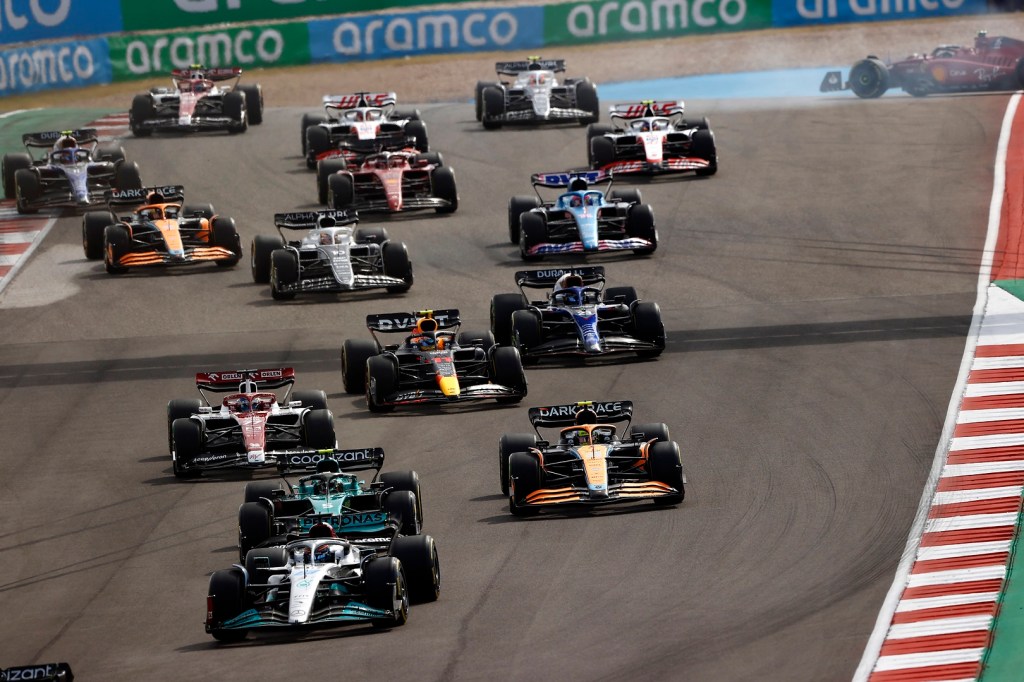
On the 23rd January 2017, Formula One changed. Gone were the days of Bernie Ecclestone and the sport was ushered into a new era under the stewardship of American conglomerate Liberty Media.
Over the past five years, the sport has exploded in popularity and for better or for worse is a different beast to the motorsport series acquired in 2017. Formula One has finally conquered the United States and has amassed a new, youthful following as a result of hit Netflix documentary Drive to Survive.
However, some have doubted the intentions of Liberty Media as they shape F1 into a spectacle constantly providing drama from its relatively humble roots at the airfield which is now Silverstone Circuit. Many changes have been made to F1 from sprint races, the cost cap to adding more and more races to the calendar.
Under Liberty Media’s stewardship, interest in the sport is at an all time high with the group reporting race attendance up 36% from 2019 and social media followers up 23%
year-on-year to 61 million. The new audience from Netflix’s Drive to Survive is a large part of this and has broadened the appeal although this has irked some of the long-standing fans.
Many accuse Liberty Media of prioritising the ‘show’ over the sport with decisions such as many red flags (leading to dramatic standing starts), shaking up the format (action every day of the race weekend) and the events that unfolded on that night in Abu Dhabi.
Whatever your views are on the sporting elements of Liberty Media’s changes, the numbers don’t lie. Viewership is increasing at a notable rate and Formula One’s financial position is strengthening.
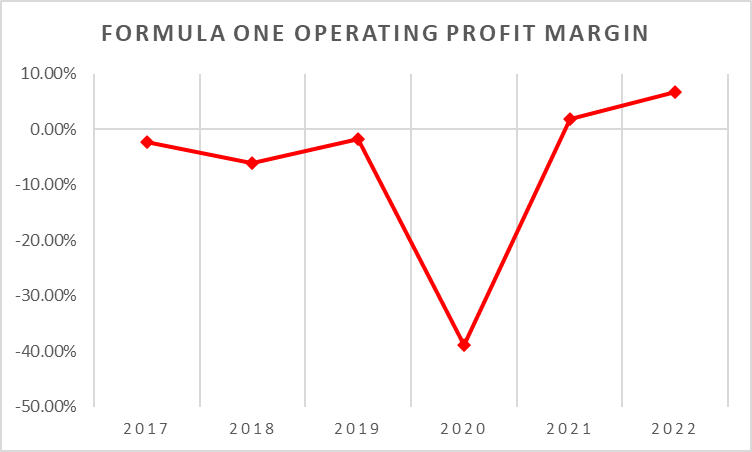
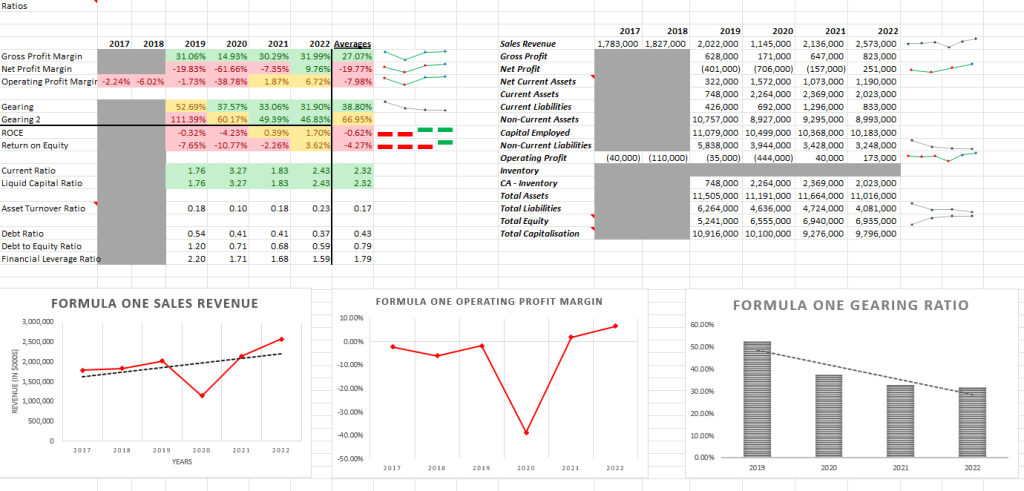
In 2021, for the first time in the past six years, Formula One Group made an operating profit with their operating profit margin almost tripling in 2022 – clearly the increased financial opportunities from sponsorships and charging tracks has improved things.
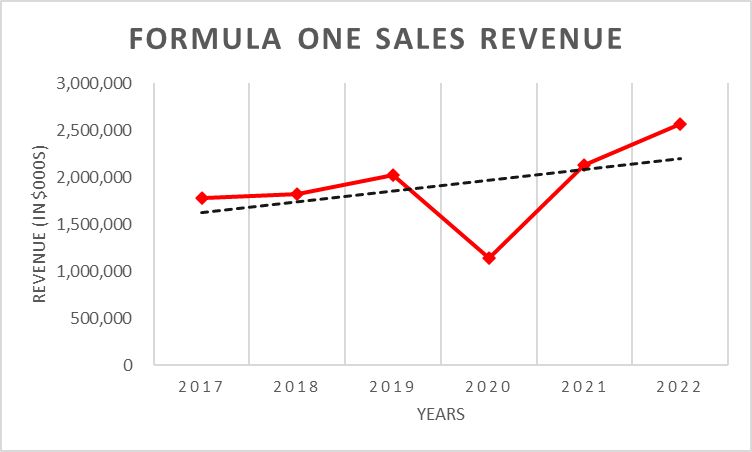
In addition to an improving the profit margins at Formula One, Liberty Media have also increased revenues with the general trend being upward as the growing popularity of the sport has led to greater commercial opportunities with various partners.
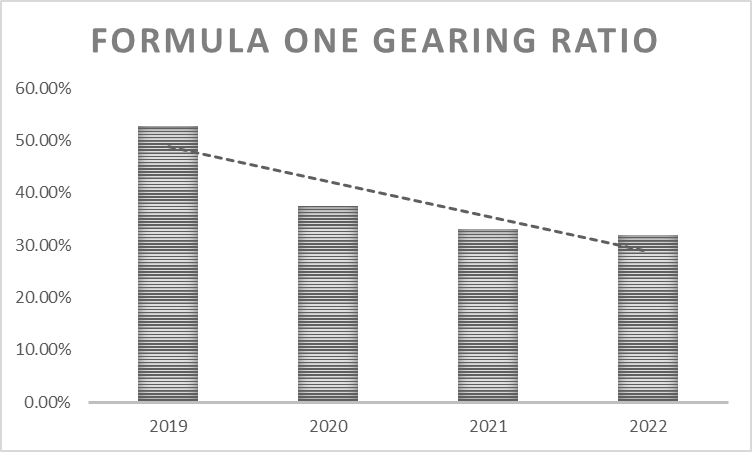
In addition to bringing more money into the business, Liberty Media have also addressed some of the pre-existing problems with F1 as a commercial operation working to reduce its debts which has translated into a decreasing gearing ratio.
The increasing value of F1 is also benefiting its competitors with many of the teams now worth hundreds of millions of dollars themselves and finally offering a return for investors and generating profits.
Overall, I think that Liberty Media has had a positive effect on Formula One. Of course there will be critics and even I think some of the changes Liberty has introduced are questionable but it is irrefutable that they are maximising the asset which is F1 and doing their best to turn around a once ailing sport.
Do comment your thoughts below.


 Money and More
Leave a comment