
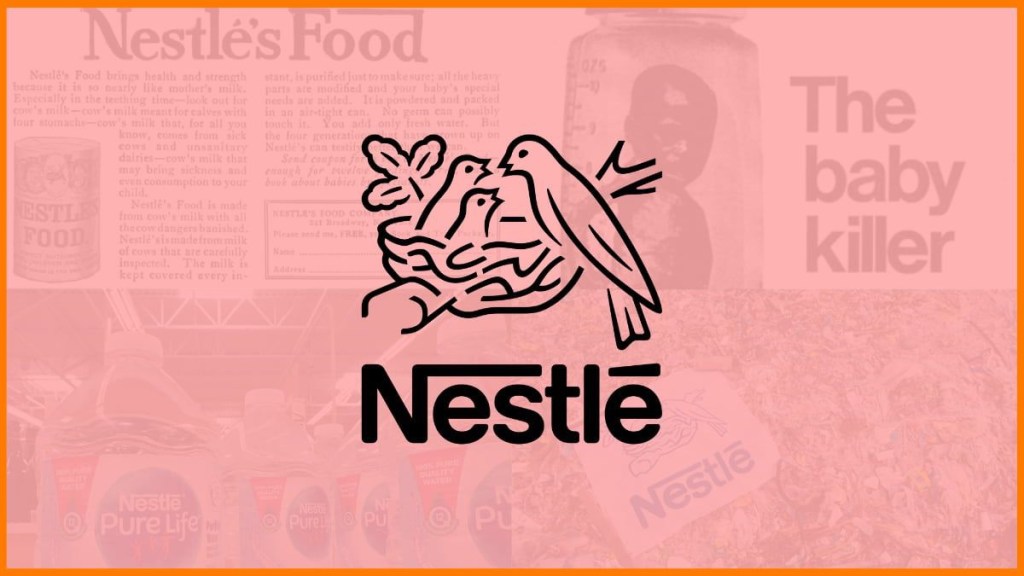
In 2022, Nestle made a net profit of over ₣12 billion but at what cost? In their recent history they have been accused of using child labour, increasing droughts and causing the deaths of babies in developing nations.
Despite the boycotts and backlash, Nestle seems to show no signs of relenting in its malicious efforts to keep growing and increasing their profits even if it is at great cost to people and the environment which for a business with doves in its logo is criminally ironic.
The atrocious acts that have been committed by Nestle are near innumerable so I’ve picked the three most interesting stories to do a proper look at.
Drinking Places Dry
Nestle sells over ₣3 billion worth of water each year through its many brands of bottled water such as Pure Life and Buxton. However, although some of this water comes from suitable sources in some areas Nestle is removing vast quantities from local water supplies – sometimes in regions with droughts.
In 2017, Nestle siphoned 45m gallons of spring water from Strawberry Creek in California and bottled it under the Arrowhead Water label. However, Nestle paid next to nothing for this water they profited massively from and the streams in the local area were running dry. Needless to say this didn’t go down well.
Child Labour
Another serious ethical issue that surrounds Nestle is their use of child labour. In many of their chocolate products, Nestle have been accused of using child labour.
Young people in Ivory Coast took Nestle and some of their rivals to court for ‘aiding and abetting’ the use of child labour to harvest their cacao beans more cheaply. Although many other chocolates businesses have been accused of this, Nestle has admitted to using child labour in multiple countries and cannot promise their chocolate is free from child labour – that KitKat doesn’t taste so nice now, does it?
The Baby Formula Scandal
In the 1970s, Nestle employed some heavily dubious tactics to increase the sales of their baby formula in developing countries which led to the death of thousands of babies.
Nestle firstly employed sales people dressed in nurse’s uniforms to talk to new mothers about breastfeeding and formula milk reportedly using scaremongering tactics to make mothers feel forced to buy milk. This then came with free samples which made the babies prefer formula milk.
However, this formula was very expensive for mothers in the developing world so they watered it down. This led to two problems: malnutrition from the lower levels of actual powder in the milk and diseases from the filthy water both of which caused serious problems.
These accusations against Nestle led to them taking campaign group ‘War On Want’ to court and although Nestle won there was many admissions that they had used underhand tactics which led to many changes in baby formula marketing.
Do comment your thoughts below.


 Money and More
Leave a comment