
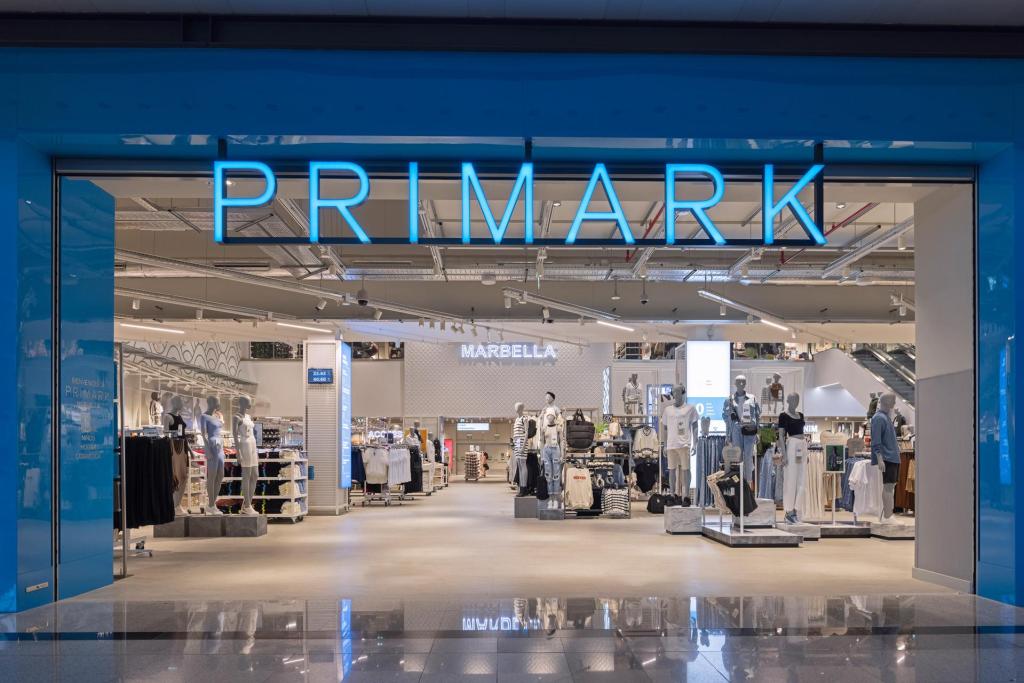
Primark: the ‘fast fashion’ retailer has become near ubiquitous in major UK times, defied the Coronavirus pandemic and bucked the trend with regard to online retailing – how have they done it?
Owned by food and retail conglomerate Associated British Foods (who generate revenues of over £13 billion), Primark has chartered a meteoric rise becoming the go-to brand for cash-conscious, fashion-focused individuals both young and old. With 398 stores across the world, the fashion retailer is showing no signs of relenting yet they have gone about their business in an unconventional way.
Primark was founded in was founded by Arthur Ryan in 1969 as Penney’s – a shop in Mary Street, Dublin, to bring affordable clothes to Ireland. In 1973 Primark expanded into England and by the dawn of the millennium they had expanding internationally opening an outlet in Madrid.
Primark’s USP of offering highly affordable yet still fashionable clothing allowed it to remain buoyant following the 2008 recession and even expand further overseas and into America in 2015 – one of few British retail businesses to have cracked the US.
Despite the digital revolution that has occured since Primark’s inception, their business model has remained distinctly analogue as they have shunned the rise of online shopping deciding instead to focus on the more traditional and less logistically challenging system of operating physical stores (although the brand does have 24 million fans engaging in their content across their social channels).
This potentially perplexing move does not appear to have damaged the business in any way and it could be argued that the lack of an online store creates an added buzz about the brand with some from rural areas making a ‘trip’ of a visit to Primark thus generating more revenue from these one-off outings.
Another Primark idiosyncrasy is their lack of marketing efforts, the business does not produce television adverts, place billboards nor engage in big-budget social media campaigns on a regular basis. Instead, they rely on their loyal fan base of customers and influencers to share the latest and greatest products at Primark – a strategy that seems to be working.
Primark have been consistently profitable even throughout the Coronavirus pandemic where their operations were all but halted by the national lockdown. Between 2016 and 2019 their gross profit margin has been around 20% dipping to 13.43% in 2020 which was markedly better than some of their competitors. Despite being forced to close, Primark still recorded a post-tax profit in 2020 of £43 million.
However, despite being an eminently profitable enterprise, Primark could be prone to cash flow problems in the future due to utterly dismal liquidity. Most of the business’ current assets are in stock leading to an average liquid capital ratio of 0.11:1 over the past six years – a very narrow margin for error although one that is feasible due to the fast-paced nature of the fashion world.
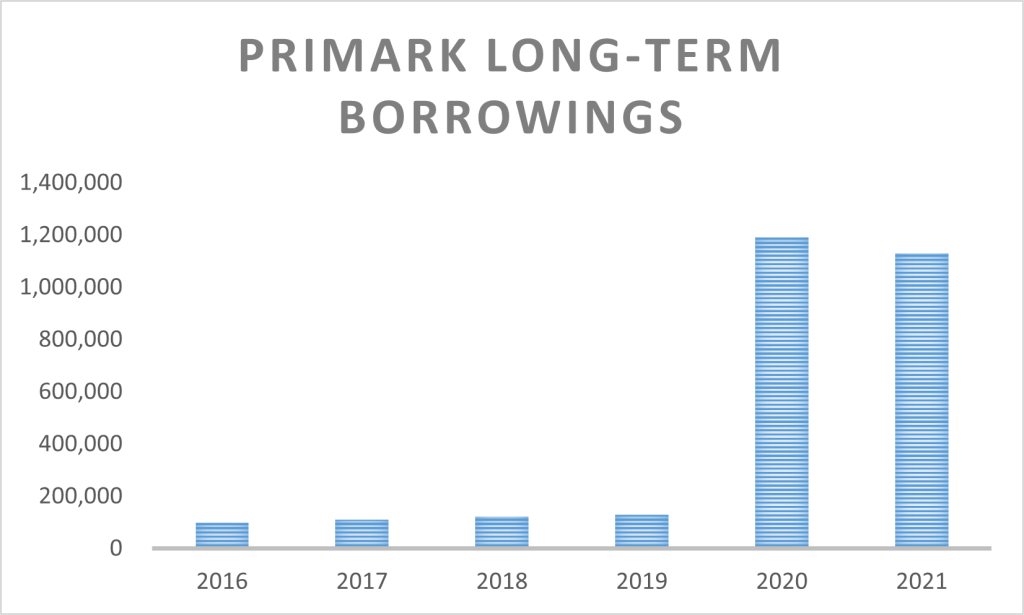
Another fiscal problem looming over Primark is the significant increase in the business’ borrowing following the coronavirus pandemic. Before 2020, Primark’s gearing ratio (how leveraged the business is) was significantly below 25% – something not managed by many of its competitors. However, their gearing ratio was greater than 100% in 2020 and 2021 (111.19% in 2020, 101.88% in 2020) raising the question about how dire the situation was at Primark at the height of the pandemic.
In addition to the financial challenges it faces, Primark is also under threat from new, emerging competitors such as the online, low-cost fashion retailer SHEIN who are taking Primark’s main selling point and packaging it in a manner that is easier for customers to access at the tip of their fingertips with Primark responding by reinventing their website (although still no online ordering).
Not only are emerging competitors an issue but growing numbers of environmentally conscious consumers have also had an impact on Primark who have been known to use some slightly dubious manufacturing practices in the past. To try and mitigate this, they have introduced a new range called ‘Primark Cares’ that uses ethically and sustainably sourced materials.
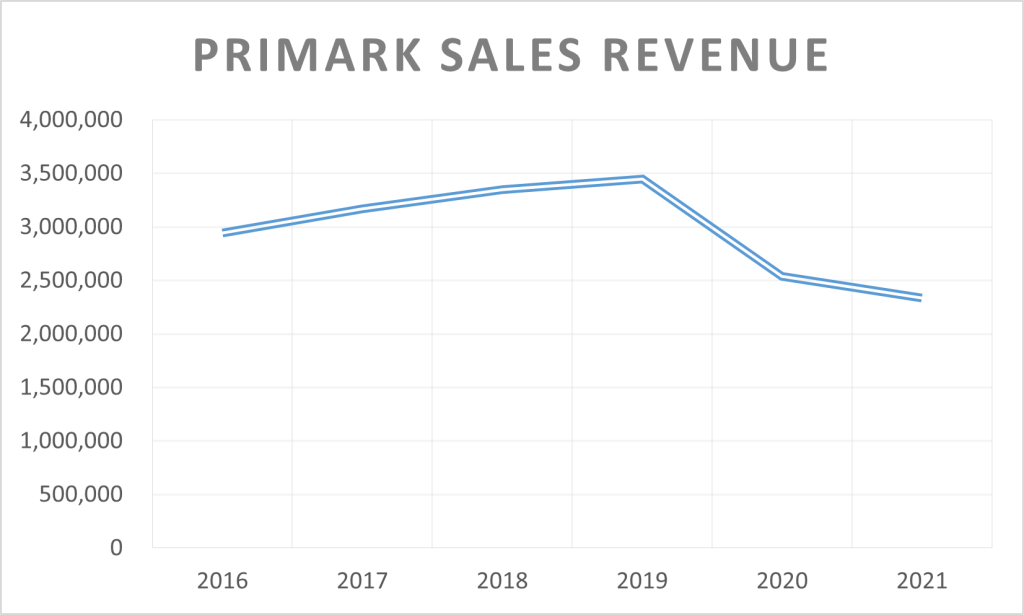
However, these adaptations may be too little too late for Primark as their revenue fell further in 2021 than it did at the height of the pandemic and there seems to be less love for the brand in recent times.
Primark has been a brand that has constantly defied what the rest of the market is doing: expanding during a recession; ignoring online shopping as a sales vehicle; and remaining profitable despite being forced to close during the pandemic. Although they are now facing new challenges I am relatively sure Primark will find an unusual way to adapt around this.
Do comment your thoughts below.


 Money and More
Leave a comment