
Free trials have become almost ubiquitous in the world of online services but why do they work? What makes us so susceptible to free trials? If they’re so good why are big companies stopping them?
Since the dawn of online services, companies have offered us free trials to try and hook us into their system in a way that it is so entrenched in our everyday lives that we feel we cannot live without it.
Free trials provide a way for customers to try out services they may be less likely to subscribe to if they had to pay immediately due to the greater risk. Letting customers use the service allows them to see whether it’s right for them without coming at ridiculous expense to the business, a pretty decent method of promotion then?
Research shows that customer satisfaction is often higher after a free trial period and that they are rarely disappointed with the services they try out. This is obviously good for businesses as if customers are enjoying a service they are less likely to give it up willingly.
Another part of the appeal of free trials for business is that customers are apathetic and forget about the free trials they’ve signed up to.
42% of people have subscriptions they’ve forgotten about, this means they are paying for a service and aren’t actually using it.
Considering these people are pretty much throwing money away on services they don’t use it’s a sizeable proportion of the population who do this, from a personal finance perspective, how badly are they managing their money?
However, despite the significant number of people that throw away their money after few trials there is some risk that comes with running these promotions for the businesses involved.
The first of which comes to those who offer a physical product. Often from direct to consumer businesses; in these sorts of trials a customer buys the product but can return it within a given period hassle-free if they don’t like it.
A particular example of where this goes wrong is the mattress company Casper. They offer premium mattresses with a 100 day trial during which time the customer can return their mattress (at Casper’s expense) for a full refund.
This poses a large issue when it comes to returned stock as you can’t resell a used mattress to anyone leaving Casper with quite a lot of stock they can’t do much with that has cost them a lot of money.
Another issue is the small group that systematically use free trials, around 3% of consumers exhibit this behaviour (I am sadly one of them and hate myself for it as I feel I’m subverting their marketing) and it’s a right pain for the companies.
Someone uses their paid-for service as much as they like for free for a month and then cancel as soon as they have to pay, jumping from service to service and even doing the same one twice. It must be so annoying for the businesses as they know there’s little chance of conversion in this group.
For this reason (and a few others), many large companies famous for their free trials have given up on them in favour of just charging for the service ensuring they increase their profits.
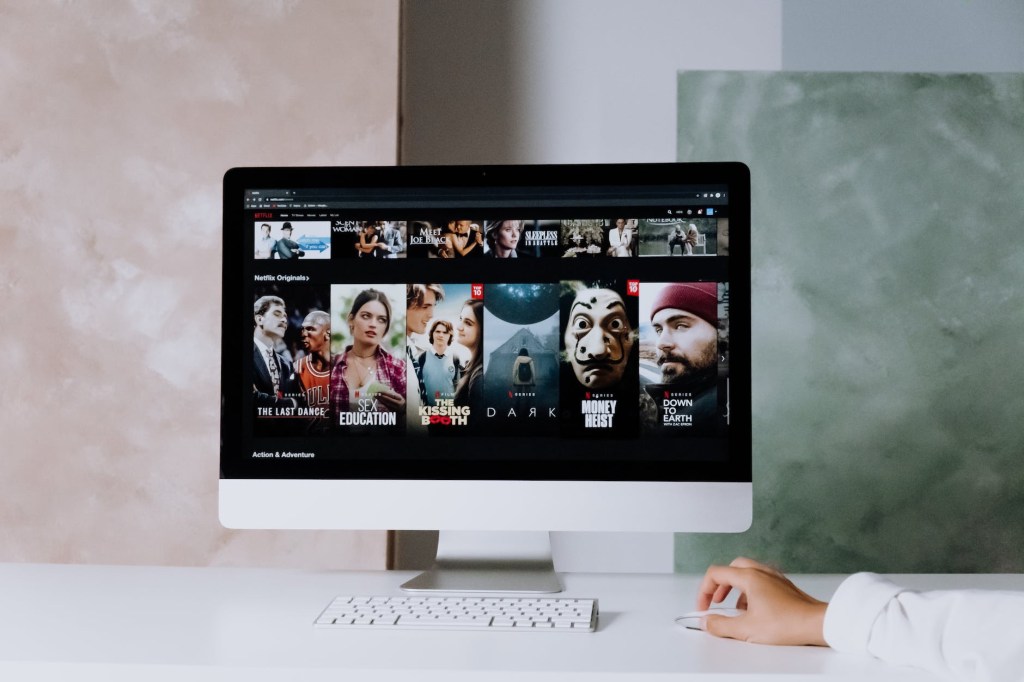
A notable example of this is Netflix who didn’t need the free trial to gain new subscribers anymore while the same is now happening to Disney+ who after reaching 164.2 million subscribers decided it wasn’t needed anymore to attract new customers.
After all this, does the free trial still have a place in the online services market? Well to an extent it does as there is likely to be new entrants hoping to capitalise on free trials to build on market share but as the bigger players start to prioritise their bottom line free trials may start to dry up.
Do comment your thoughts below.
 Money and More
Leave a comment