
Coca-Cola, the worlds largest beverage company with revenues over $31.8 billion dollars who is synonymous with Christmastime due to the ubiquity of their ‘Holidays are Coming’ campaigns.
Over the years, Coca-Cola have been heaving focused on their Christmas promotion to the point where many believe that the reason Santa wears red is because of Coca-Cola’s marketing.
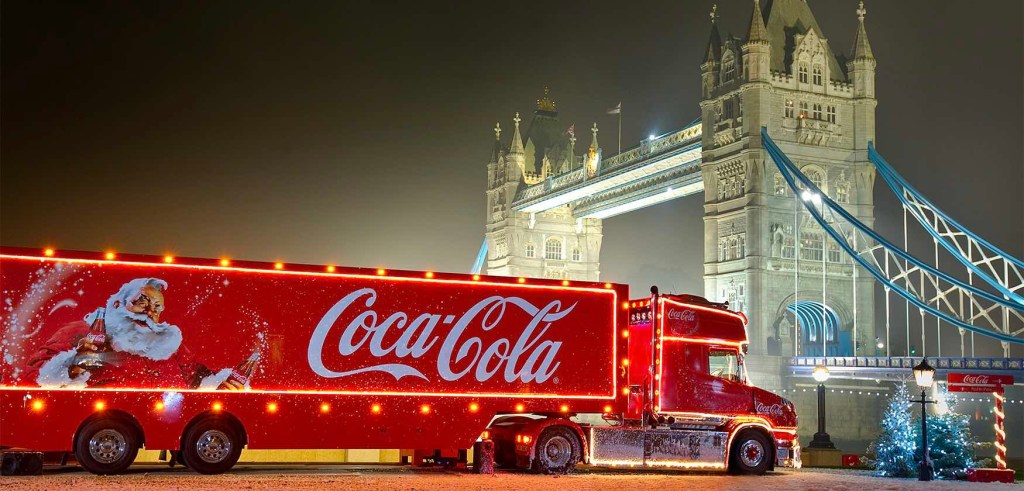
An obvious example of their Christmas promotion is their festive trucks that traverse the globe distributing Coca-Cola to people raising their already high brand awareness (94% of the world’s population recognise the brand).
In addition to the highly successful truck campaign, Coca-Cola have other fruitful promotional efforts regarding the festive period.
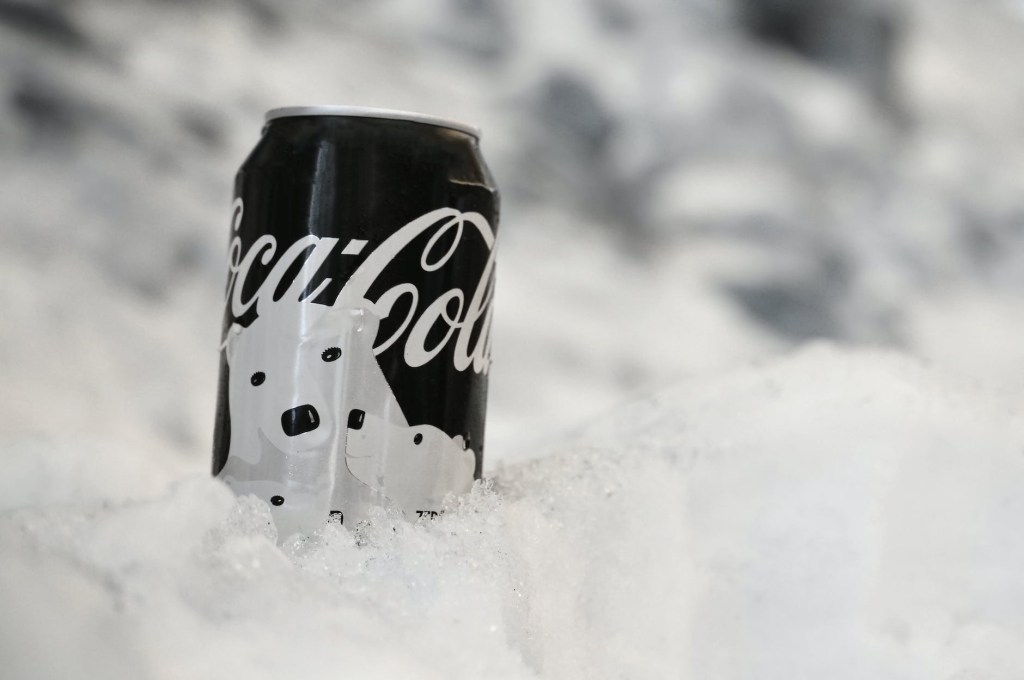
For many years, Coca-Cola was closely aligned with WWF and promoted their campaigns saving the Arctic by plastering their cans with images of polar bears and included the furry creature in their adverts.
The inclusion of the polar bear was popular with customers and led to the sales of various wintry merchandise products.
However, this initiative including white cans which confused customers who associated the lighter colour with Diet Coke, bought the wrong product and attacked Coca-Cola on social media – causing them to backtrack on their decision.
Despite the way Coca-Cola have positioned themselves as synonymous with Christmas, their marketing efforts throughout the rest of the year are also highly successful and interesting.
One oft talked about marketing effort was the ‘Share a Coke’ campaign from 2011 that originated in Australia where Coca-Cola did not hold the market share they did in other countries.
The campaign involved printing the most common names onto Coca-Cola bottles so that customers could buy the product with their and their friends’ names on and have a more positive experience sharing a coke – linking to Coca-Cola’s future marketing slogan ‘together tastes better’.
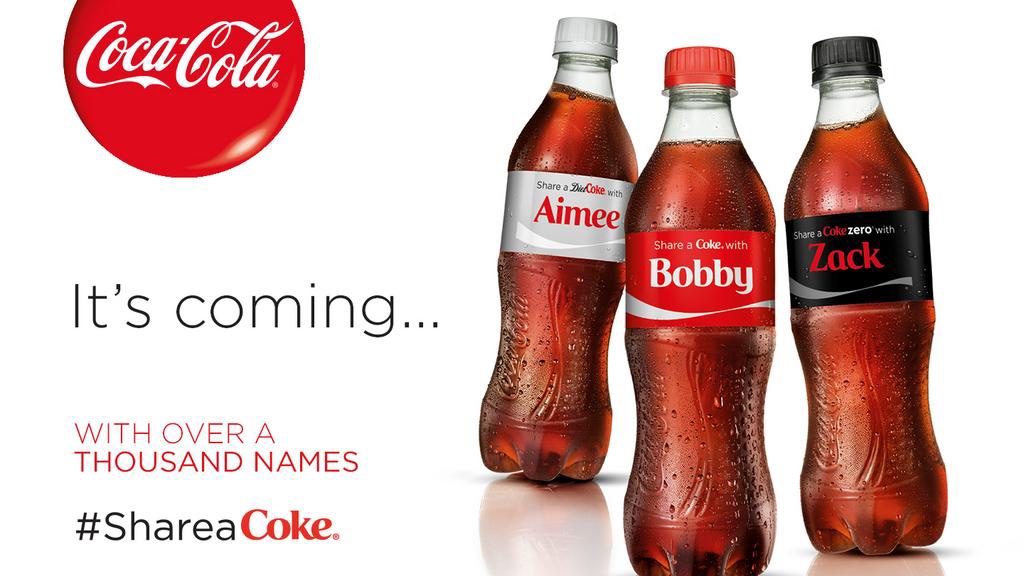
Alongside positive brand association, the ‘Share a Coke’ campaign also brought fiscal rewards for Coca-Cola as it led to sales increasing by 11% in the US while 1.25 million more young people bought Coke in the summer during the campaign.
A final point of note in Coca-Cola’s branding is the clever market positioning associated with Diet Coke and Coke Zero.
Management at Coca-Cola identified that their profile market segmentation for Diet Coke was potentially too effective and they were alienating male consumers with the female-focused drink (shown by the light sans-serif font and famous ‘Diet Coke Break’ adverts).
To combat this, Coca-Cola launched Coke Zero which had an almost identical formulation to its more feminine counterpart but with a completely different brand image to ensure that there was a Coca-Cola diet drink to cater for all types of customers.
Coca-Cola is a company who over the years has produced many highly effective marketing campaigns to cement their position as number one beverage brand. They have a had a few issues in their time (see New Coke) however are an excellent example of how marketing can be done effectively.
Do comment your thoughts below.
 Money and More
Leave a comment